


Integrated Mold Factory
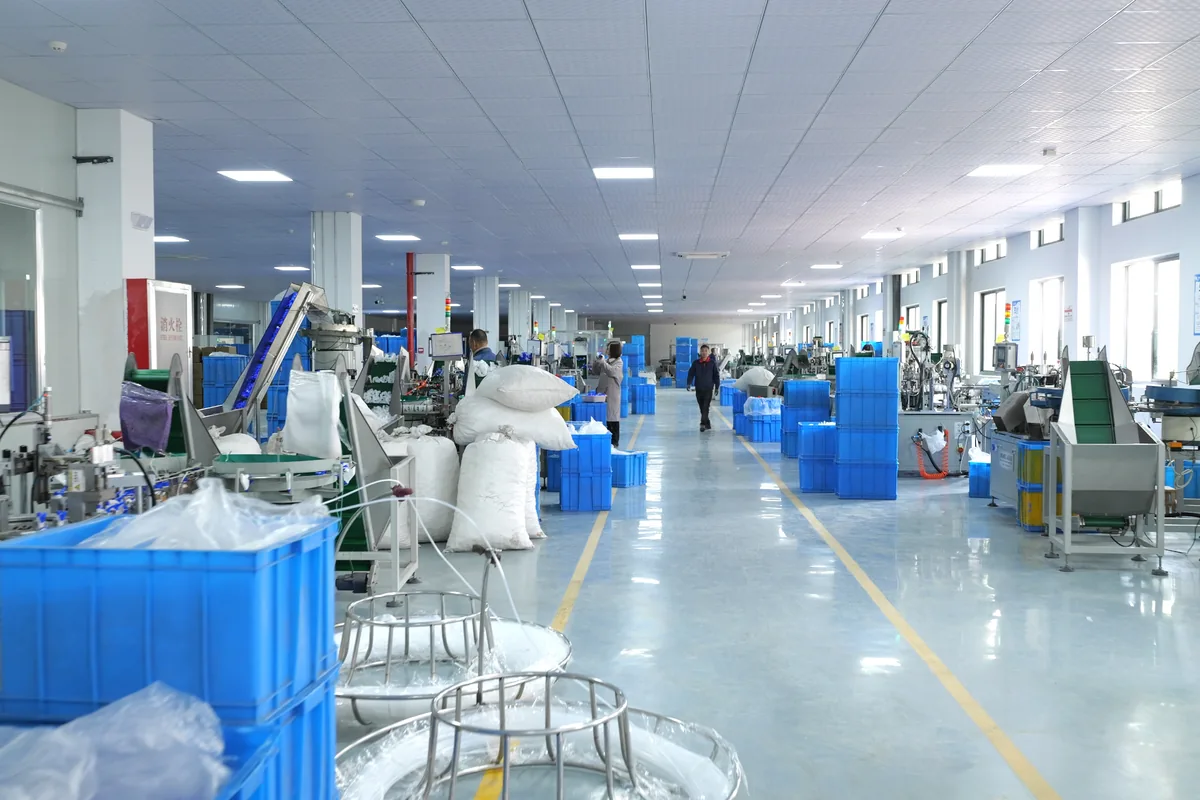
A 28,000㎡ manufacturing base coordinates mold design, steel machining, fitting, injection trials and corrective actions under one project team.
Explore the Factory →Precision Packaging Tooling
For sprayer, pump and closure manufacturers, the true mold cost is measured in stable cycles, cavity-to-cavity consistency and parts that feed correctly in downstream assembly. Songrock develops custom multi-cavity injection molds from Design for Manufacturability Review through trial and approval, matched to your resin, molding machine, annual volume and critical dimensions.

Tooling Risk Control
Procurement price matters, but unstable filling, uneven cooling or dimensional drift can cost far more after launch. Our mold, injection and automation teams evaluate cavity balance, critical dimensions and downstream assembly behavior together before final approval.
Geometry, resin, critical dimensions, gating and ejection risks are addressed before machining begins.
Runner balance, cooling, machining and trial measurements support repeatable high-volume output.
Molded parts can be evaluated for dimensional and downstream assembly compatibility before approval.
Toolroom, Validation & Project Control
Songrock is not only a toolroom. Mold design, precision machining, injection trials and automated assembly expertise operate within one manufacturing system, so your team can evaluate both molded-part quality and how those parts behave in production.
A 28,000㎡ manufacturing base coordinates mold design, steel machining, fitting, injection trials and corrective actions under one project team.
Explore the Factory →
Critical dimensions, trial conditions and approval evidence are documented, supported by quality management and applicable compliance records.
View Certifications →Cavity count, steel, runner, gating, cooling, inserts and maintainability are selected around your resin, machine and production economics.
Request Custom Review →Have 3D Data or a Physical Sample?
Share the part file, resin, annual volume, critical dimensions and injection-machine limits. Our tooling team will identify the inputs needed for a Design for Manufacturability Review and a comparable quotation.
Mold Programs
Each mold program is evaluated against the component geometry, resin, annual demand, injection unit, tie-bar spacing, cavity strategy, target cycle and assembly-critical dimensions.
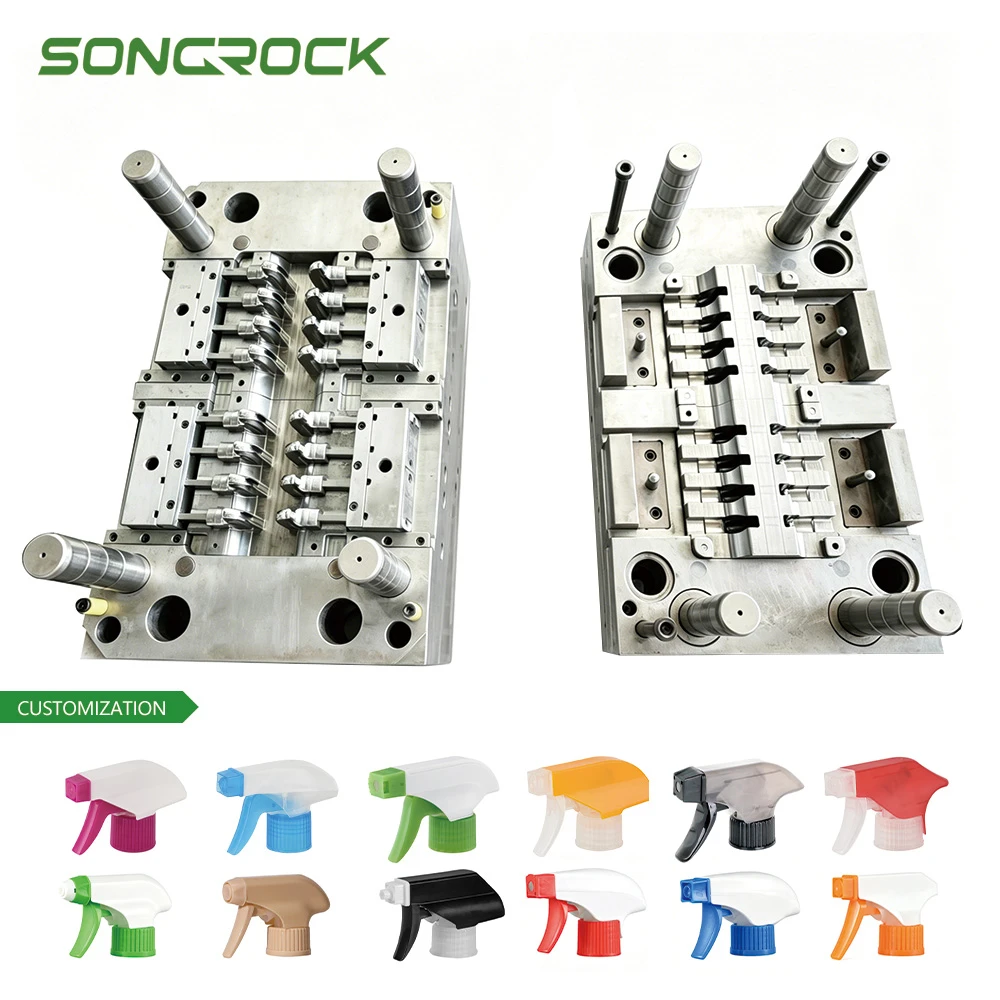
Precision tooling for trigger bodies, closures, pistons, nozzles and related components.
View Category →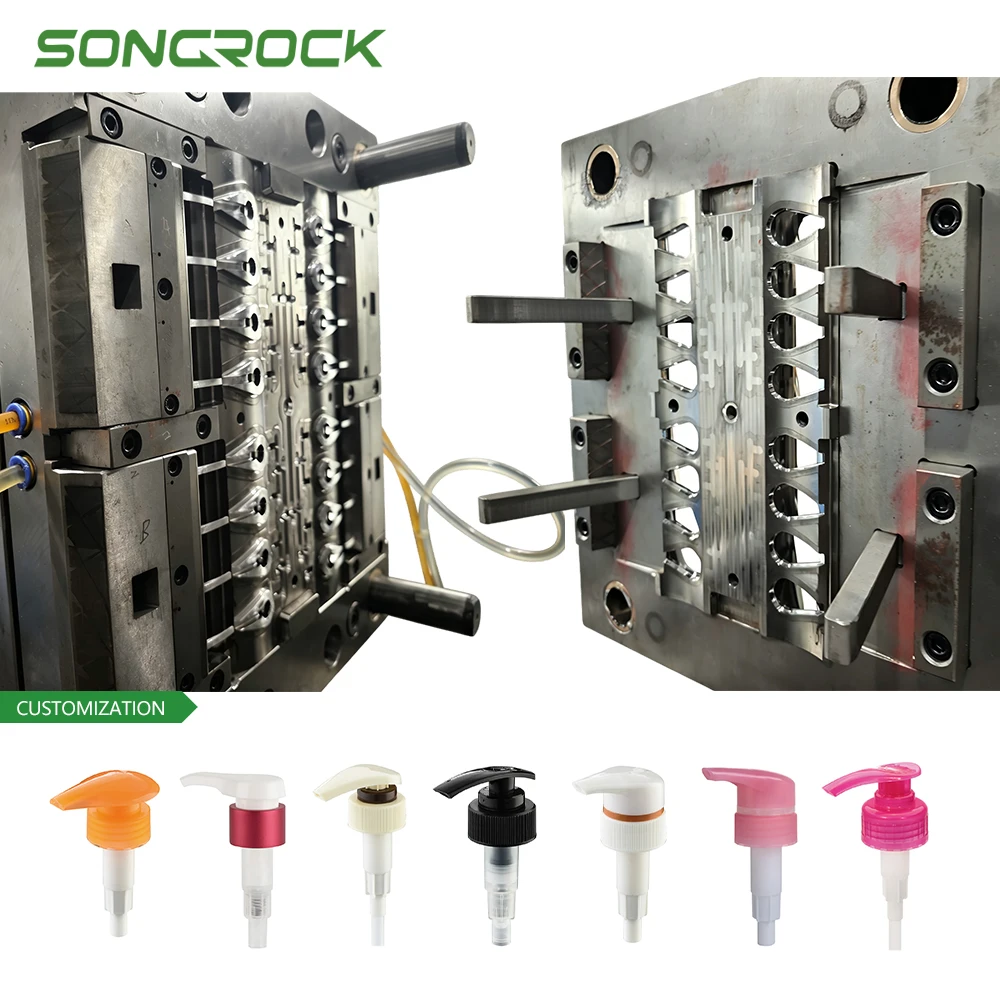
Multi-cavity molds for pump housings, actuators, pistons, closures and functional parts.
View Category →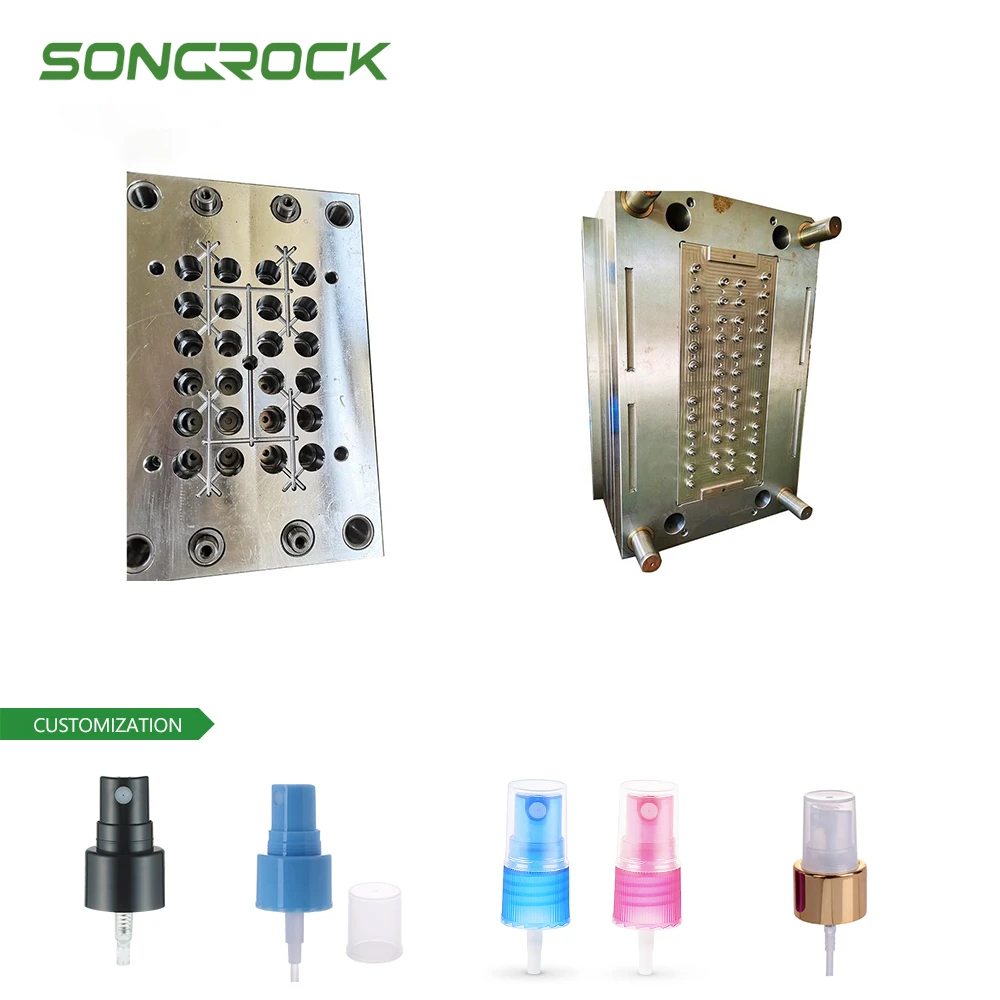
Dimensional control for compact fine-mist sprayer bodies and precision components.
View Category →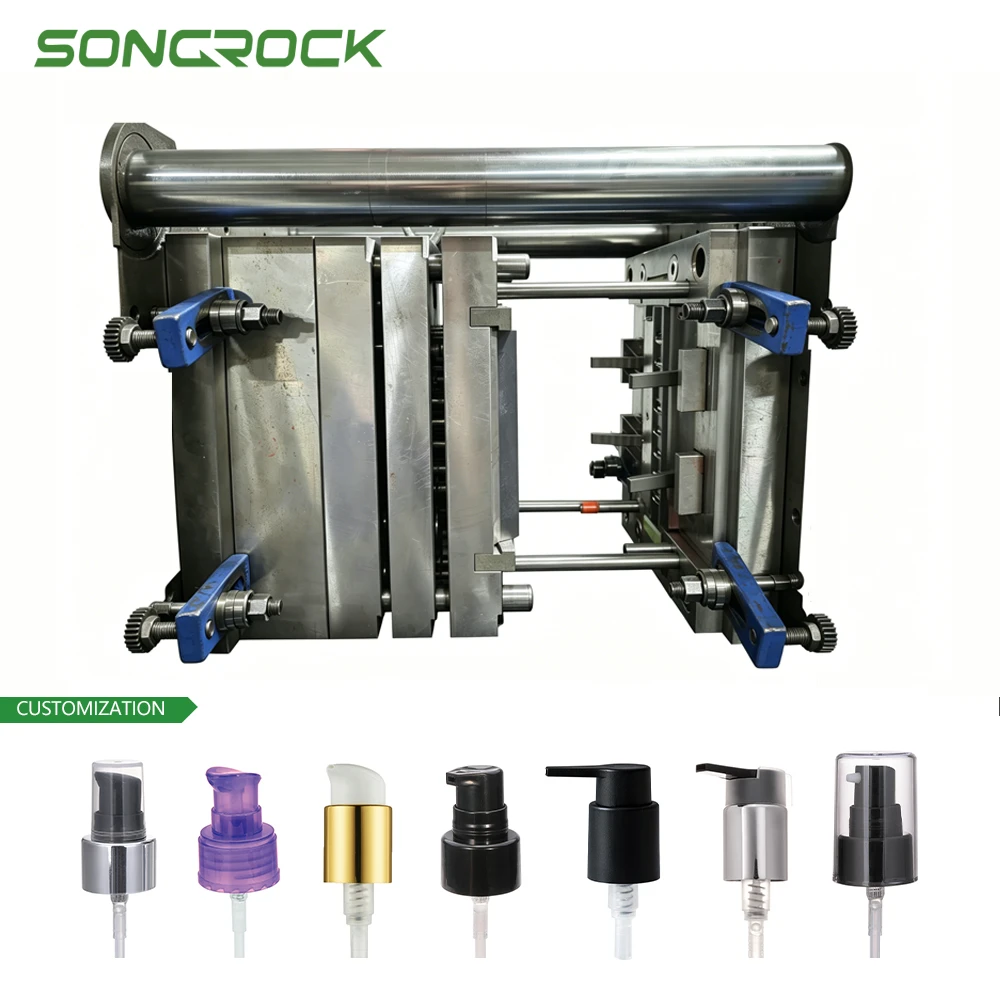
Tooling designed around small component geometry and repeatable automated assembly.
View Category →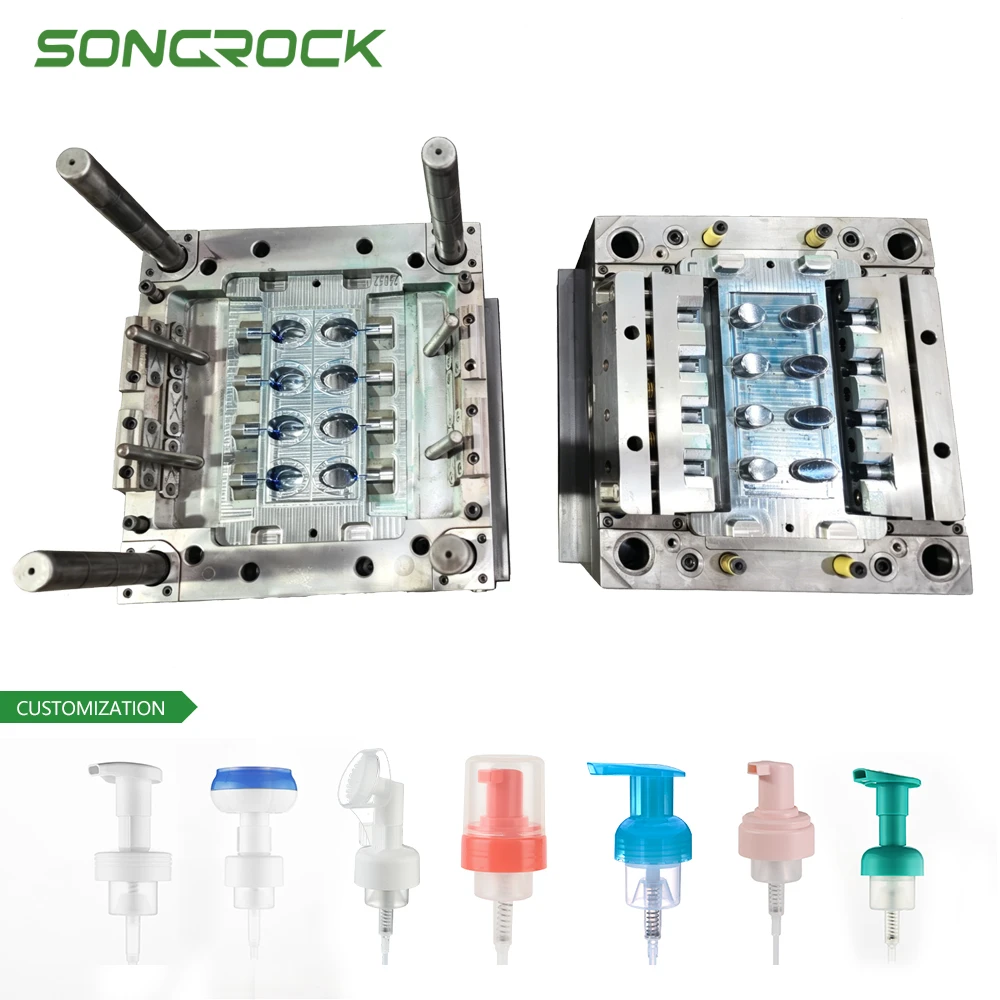
Complex multi-part tooling for foam pump bodies, chambers and dispensing components.
View Category →Precision molds for treatment pump and cream dispensing components.
View Category →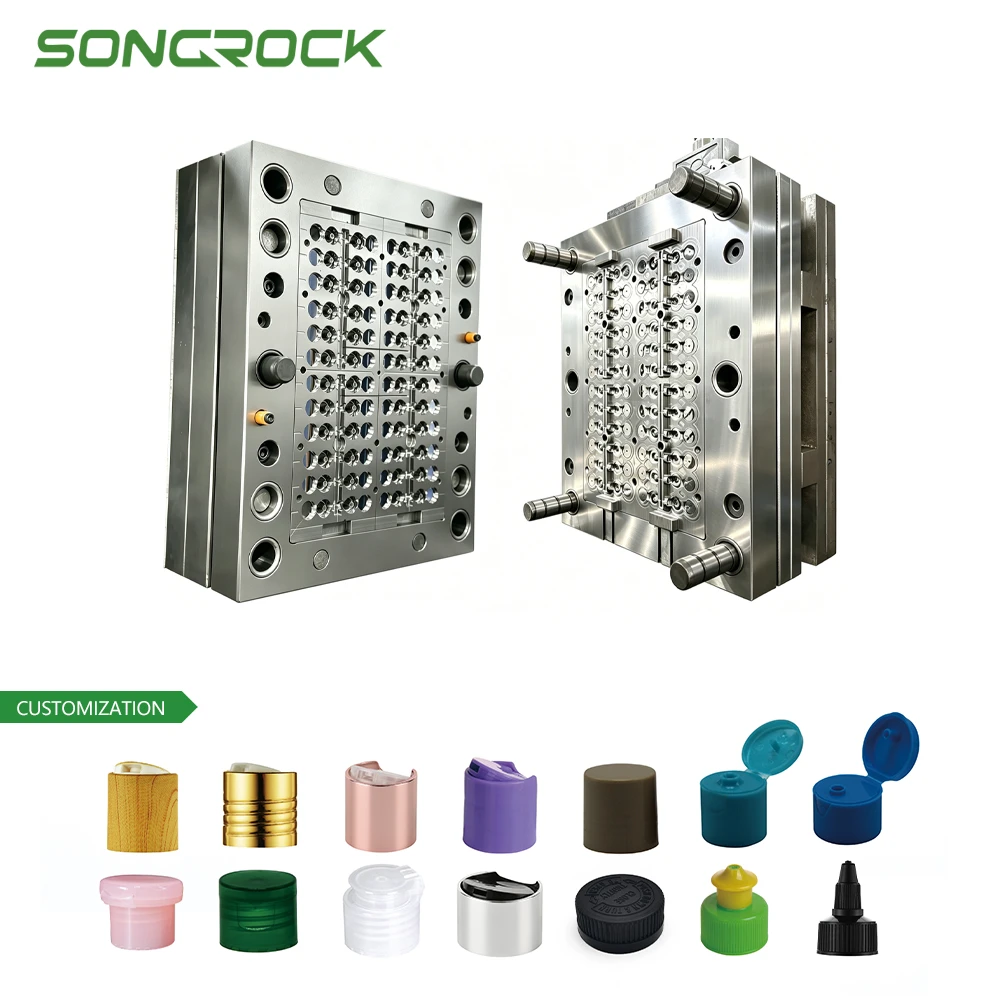
Cap, closure and flip-top tooling engineered for molding stability and closure performance.
View Category →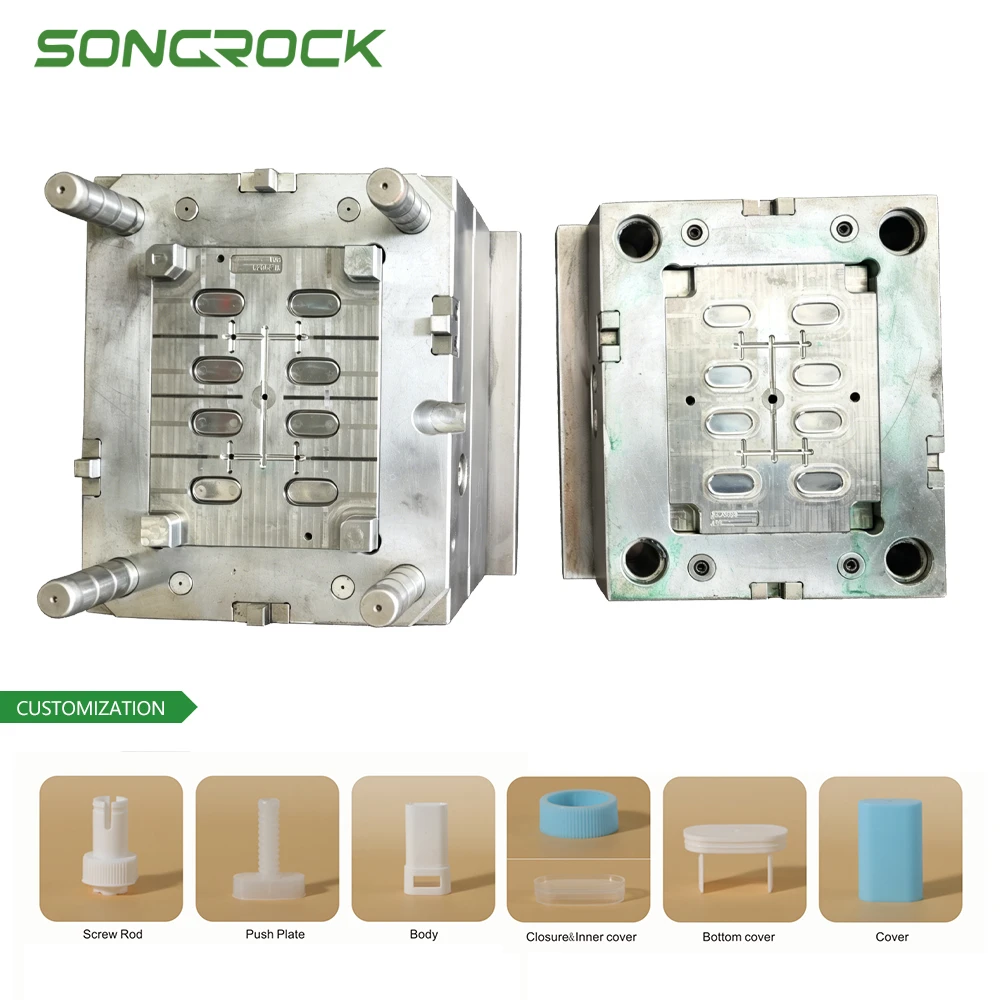
Custom multi-cavity tooling for deodorant stick bodies, bases, covers and rotating mechanisms.
View Category →Mold Development Process
Manufacturability Review → Design → Machining → Trial → Approval → Delivery
Review 3D data, resin, output, critical dimensions, molding machine and assembly function.
Confirm cavity strategy, steel, runner, mold life, lead time and commercial quotation.
Develop product and mold design with filling, cooling, ejection and serviceability in mind.
Computer numerical control machining, electrical discharge machining, grinding, fitting and component inspection are managed through the build.
Trial molding verifies appearance, dimensions, cavity balance and stable process behavior.
Approved samples, records and tooling documentation accompany packing and shipment.
Factory Gallery
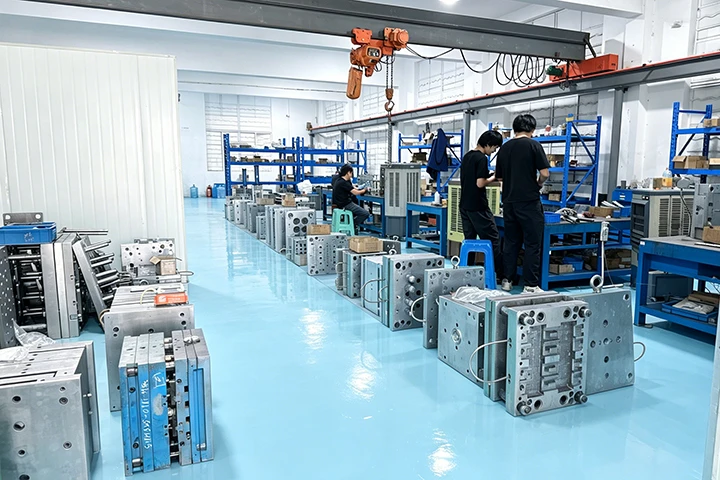
Precision machining, mold assembly, and trial preparation for multi-cavity packaging tools.

Stable molding capacity for sprayer, pump, cap, and dropper component verification.
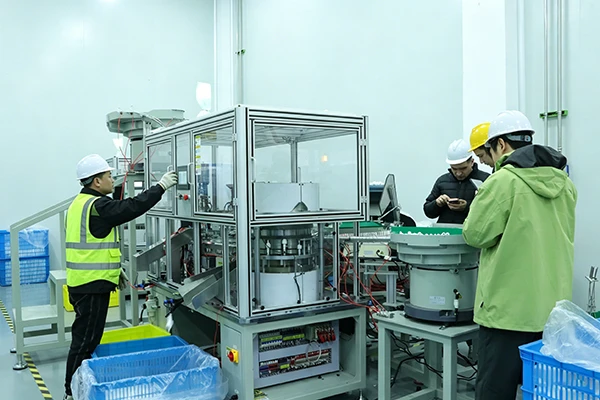
Automatic feeding, pressing, fitting, and running tests before final acceptance.
Dimension checks, visual inspection, action testing, and batch traceability before release.
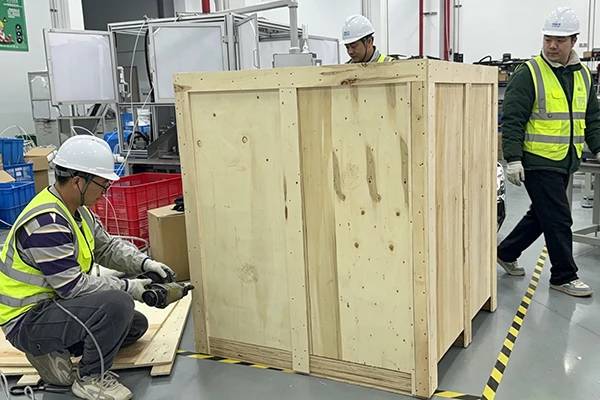
Machine frames, molds, and components are protected for long-distance transport.
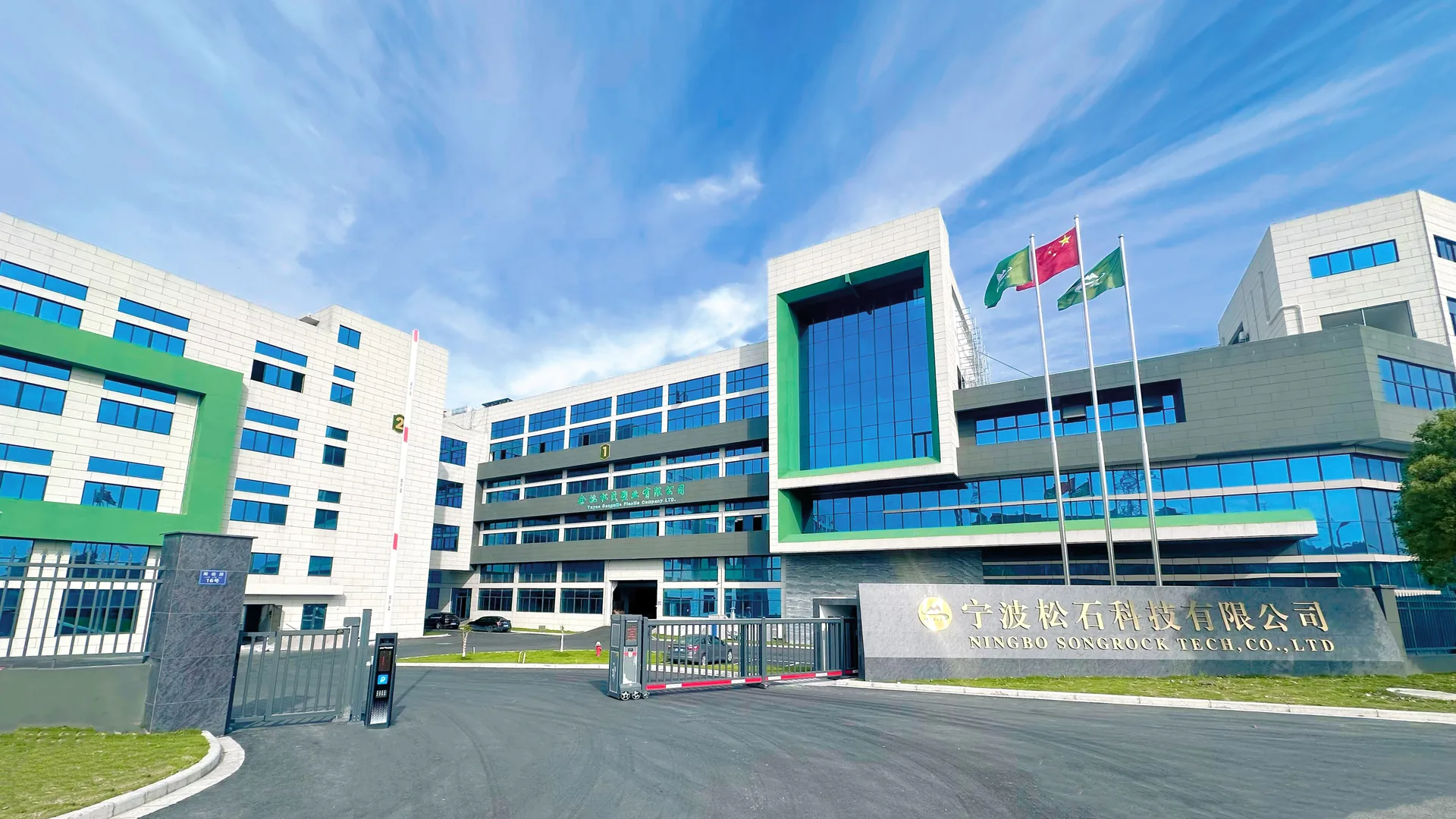
Loading, documentation coordination, and international dispatch support for global buyers.
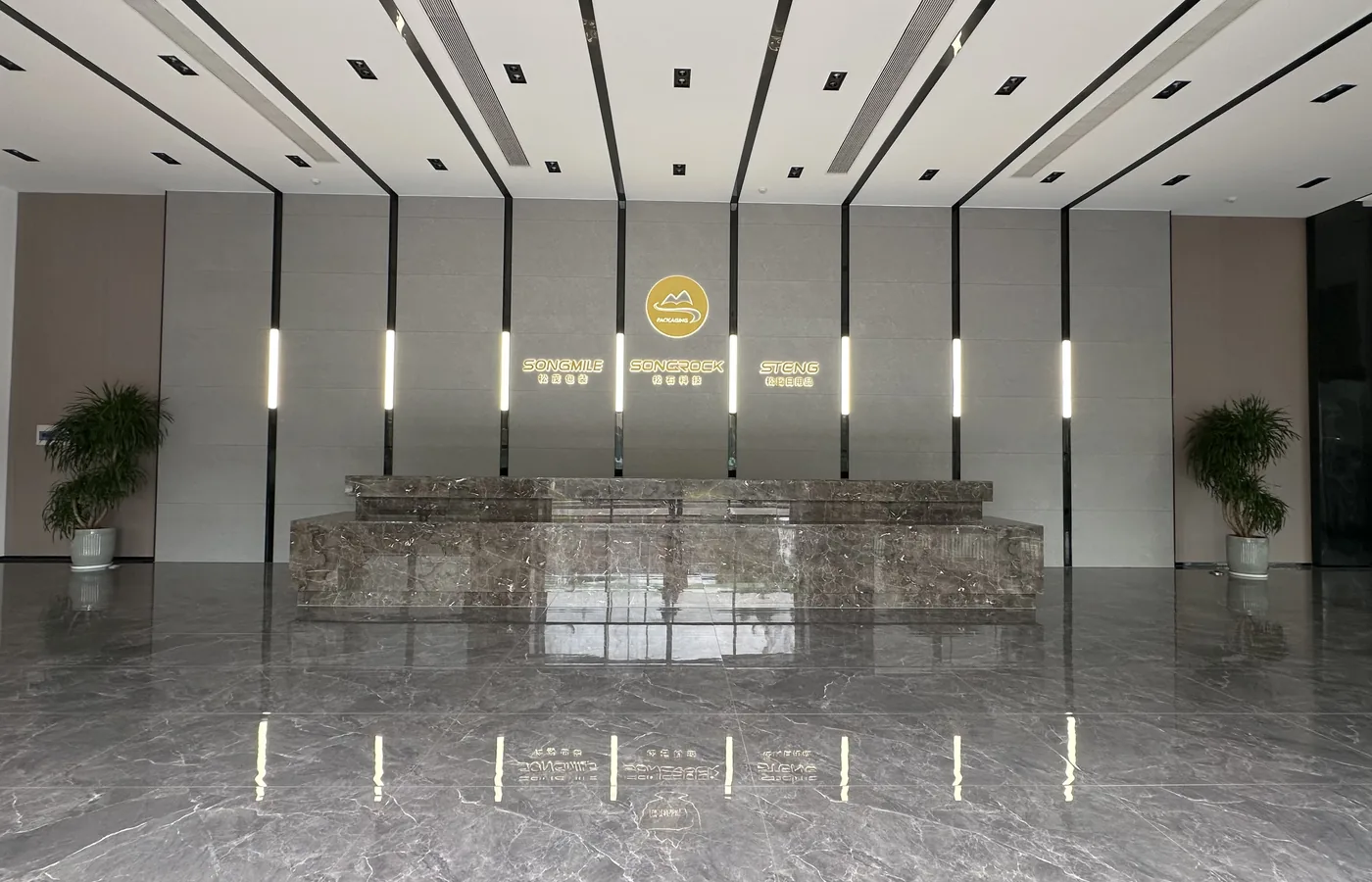
A clean visitor entry point for guided inspections, supplier audits, and project meetings.

Technical coordination, drawing review, and project communication before workshop execution.
Buyer FAQ
Answers for tooling, molding and procurement teams comparing production mold proposals.
Provide a 3D file such as STEP, STP, IGS or X_T, resin specification, annual demand, preferred cavity count, critical tolerances, target molding machine and any existing sample. This allows us to evaluate feasibility rather than quote from a product photo alone.
We balance required annual output against part size, cycle target, runner architecture, mold dimensions, injection unit capacity, tie-bar spacing and investment level. The highest cavity count is not automatically the most economical or stable choice.
Yes. Runner selection depends on resin behavior, part geometry, gate requirements, scrap targets, maintenance resources and production economics. The proposed runner brand and configuration are documented in the quotation.
Cavity consistency is managed through common design standards, precision machining, steel and heat-treatment control, balanced filling, dimensional inspection and multi-cavity trial evaluation. Critical dimensions are identified during the Design for Manufacturability Review and confirmed at approval.
Yes. Songrock manufactures injection molds and automated assembly systems within one facility. When the project scope and mating components are available, molded samples can be checked for feeding, fitting and functional behavior before final mold acceptance.
Ready to Reduce Mold Trial Loops and Cavity Variation?
Send your 3D file or sample, resin, annual demand and molding-machine information. Songrock will review the tooling conditions and respond with the next Design for Manufacturability Review and quotation step.