
Technical Articles
How Does an Injection Mould Go from Concept to Production? A Guide for Packaging Buyers

For buyers sourcing plastic packaging components such as sprayers, pumps and caps, understanding how an injection mould is developed from an initial idea to a finished tool is highly valuable. It helps set realistic project timelines and makes communication with suppliers smoother and more efficient.
Mould development is not a single manufacturing step; it is a systematic engineering process following clear technical logic. Below is how the process typically unfolds for daily chemical packaging moulds.

Step 1: Requirement Clarification & Project Kick-off
Every mould starts with a product requirement. This can be a physical sample, a rough sketch, a 3D drawing, or even a functional description of the final part.
At this stage, the supplier will focus on confirming core parameters to align with the customer’s actual production needs. For pump and sprayer parts, key points include the intended function of the part, the plastic material to be used, estimated annual production volume, and matching bottle neck specifications. These details will guide all subsequent design and manufacturing decisions.
Step 2: Product Design Review for Mouldability
Once requirements are clarified, the engineering team will conduct a detailed manufacturability review of the product design — commonly known as DFM (Design for Manufacturing). The team evaluates whether the shape and structure are suitable for stable injection moulding.
This is the stage to identify potential risks early. For example, uneven wall thickness in pump housings may cause sink marks or warping after cooling. Insufficient draft angle on thread structures may lead to difficulty in demoulding. Thin ribs or deep cavities in pump cores may cause incomplete filling.
Resolving these issues before cutting steel saves considerable time and cost in later stages. This is a collaborative optimization discussion, not a rejection of the original design.
Step 3: Mould Structure Design
With the product design confirmed, formal mould structure design begins. This is a precise technical task that defines how the mould will be constructed and operated.
Designers will determine the parting line position, the layout of the gating system for molten plastic to enter the cavity, the distribution of cooling channels for even solidification, and the ejection scheme for finished parts.
The cooling system is particularly critical for pump and sprayer parts. Uneven cooling will cause dimensional deviation and deformation, which directly affects the assembly fit and sealing performance of the final pump product. Reasonable mould design ensures consistent and efficient mass production of parts.
Step 4: Steel Selection & Precision Mould Manufacturing
After the design is finalized, the next step is to select appropriate tool steel and start manufacturing. Different application scenarios correspond to different steel grades. For example, S50C is commonly used for mould bases, while cavity and core inserts usually adopt higher-grade steels such as H13, 2083 or S136, selected based on production volume and the corrosion resistance requirements of the plastic material.
The manufacturing process relies on precision machining. CNC milling shapes the main structure, EDM (Electrical Discharge Machining) forms fine details that cannot be milled directly, and heat treatment gives the steel the required hardness and wear resistance. Final assembly and fitting ensure all mould parts work together smoothly and accurately.
Step 5: Mould Trial & Sample Validation
When the mould is physically assembled, it is not yet ready for formal production. The next essential step is mould trial, also known as sample shooting or test run.
During this phase, the mould is installed on an injection moulding machine to produce a small batch of sample parts. Engineers carefully inspect these samples: are all cavities fully filled? Are there visible defects such as flow marks, sink marks or bubbles? Do the dimensions match the specified tolerance?
It is normal to go through several trial rounds, usually marked as T0, T1, T2 and so on. Each round includes adjustments to mould structure or injection parameters until the sample quality meets the required standard consistently.
Step 6: Final Acceptance & Mass Production Readiness
Once trial runs confirm that the mould produces parts meeting all specifications, the mould is considered completed. The final step is formal customer acceptance, which may include a First Article Inspection report to document the dimensional accuracy of the initial production batch.
After acceptance, the mould is ready for regular mass production. With proper routine maintenance, a well-built mould can operate reliably for years of continuous production.
Taking an injection mould from a concept to a production-ready tool is a collaborative process that requires attention to detail, clear communication and professional technical expertise. Each stage contributes to the final quality, and the core goal is always to deliver a tool that runs stably and efficiently in actual production.
What starts as a concept or a sample eventually becomes a tangible, repeatable production tool, capable of producing thousands or millions of parts with consistent quality.
For buyers, understanding this process does not require mastering the technology yourself — it helps you know what to expect at each stage, and how to work with your supplier to achieve a better project outcome.
If you are planning a new injection mould project for daily chemical pump, sprayer or cap parts, we are ready to discuss your requirements at any stage of your process.
Recommended product systems
Recommended Products
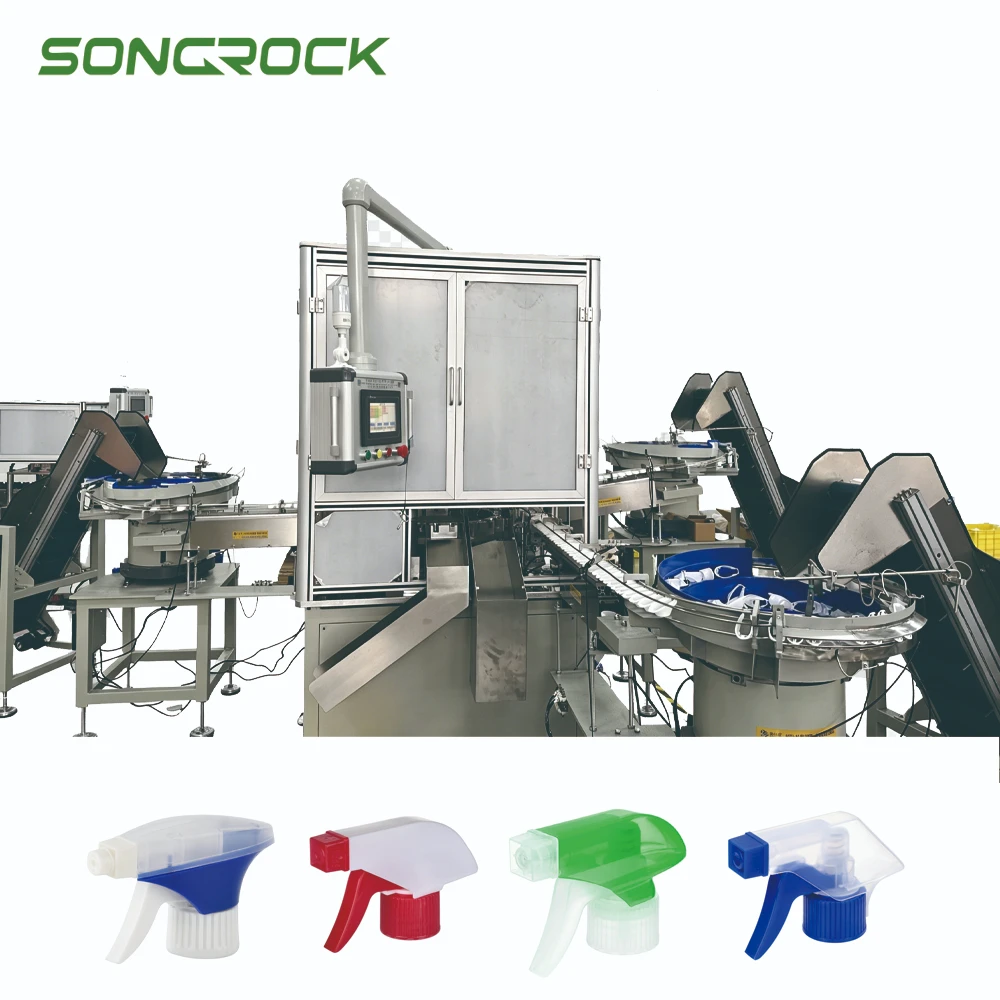 Sprayers Pumps Assembly Machine
All Plastic Trigger Sprayer Cover Assembly Machine SR-TSM-06
Accurate positioning, timely selection of defective products There is a product legacy detection technique to better identify problems…
Sprayers Pumps Assembly Machine
All Plastic Trigger Sprayer Cover Assembly Machine SR-TSM-06
Accurate positioning, timely selection of defective products There is a product legacy detection technique to better identify problems…
 Sprayers Pumps Injection Mold
Custom SR-LPIM-01 Lotion Screw Pump Nozzle Plastic Injection Mold
Sprayers Pumps Injection Mold
Custom SR-LPIM-01 Lotion Screw Pump Nozzle Plastic Injection Mold
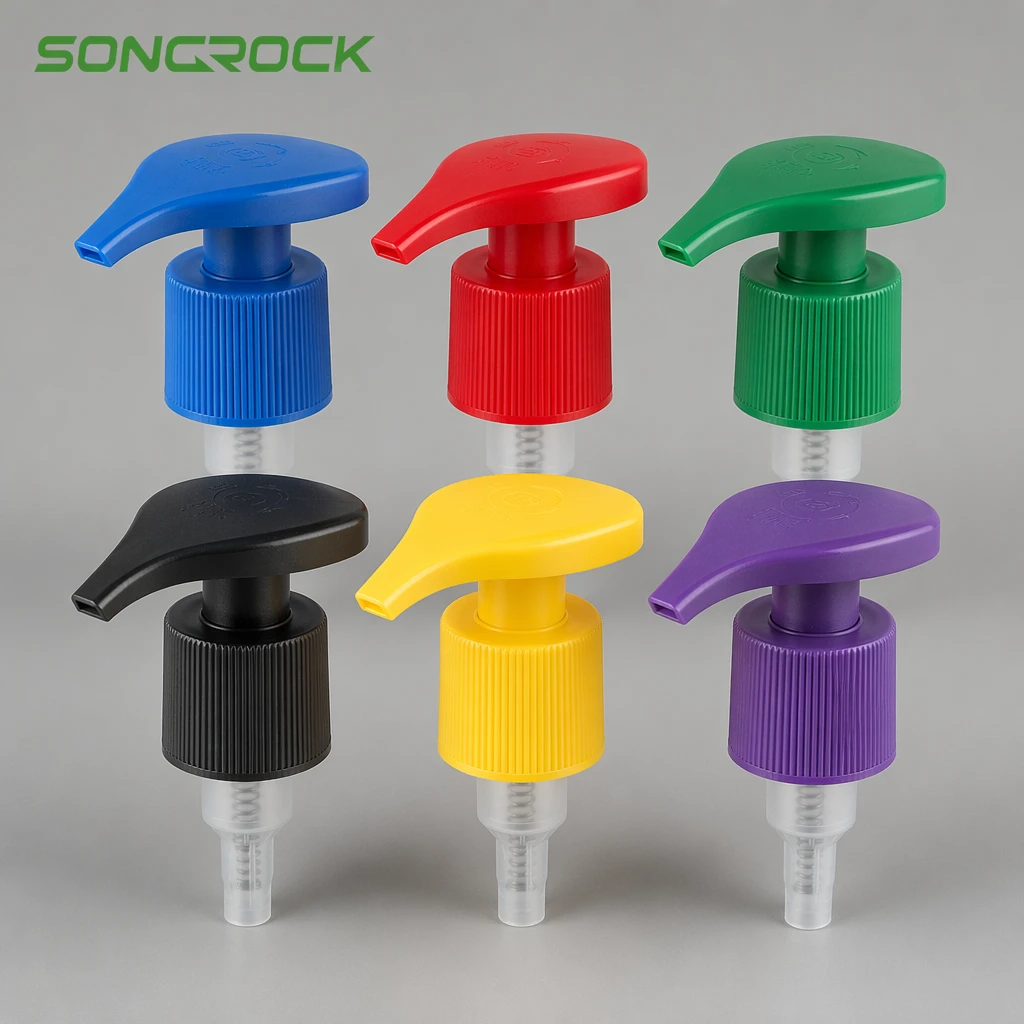 Sprayers Pumps Core Components
SM-RL-21A Right-left Lotion Pump
Sprayers Pumps Core Components
SM-RL-21A Right-left Lotion Pump
Exhibition follow-up